
Nevada Eye Physicians — Glaucoma
Glaucoma Treatment in Las Vegas & Henderson
Glaucoma often has no early symptoms. Our physicians evaluate your medical history and eye pressure to catch it early and stop it from progressing.
- Comprehensive intraocular pressure evaluation
- Medication, laser, and surgical treatment options
- 6 Nevada locations for ongoing monitoring
Know the Signs
What Are the Signs of Glaucoma?
Glaucoma often develops silently, so watch for these warning signs.
If you have severe eye pain, nausea, or sudden vision loss, call us right away at 702-896-6043 or go to the nearest emergency room.
The Procedure
What Causes Glaucoma?
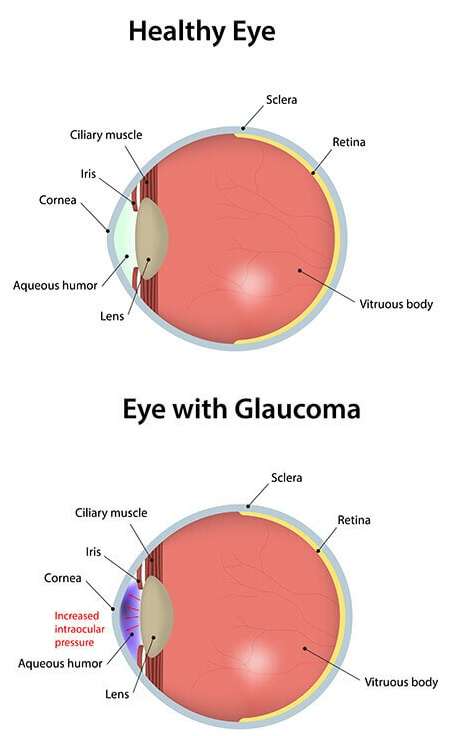
The eye constantly circulates a fluid called aqueous humor. When the mesh-like channel that drains it becomes blocked, fluid builds up and raises the pressure inside the eye, known as intraocular pressure. Over time, that pressure can damage the optic nerve and cause vision loss if the blockage and nerve damage aren’t treated. The exact cause of the blockage isn’t known, but genetics is believed to be a factor in most cases. Diabetes, blocked blood vessels, inflammatory eye conditions, a history of anemia, nearsightedness, and previous eye injuries can also contribute.
How Glaucoma Is Treated
Glaucoma develops when fluid pressure in the eye rises and damages the optic nerve. Treatment may include eye drops or pills to slow fluid production or improve drainage, or laser and surgical procedures that help fluid exit the eye more easily. Since laser treatment effects can wear off over time, ongoing follow-up exams are an important part of long-term management.
~90% Have POAG
Primary open-angle glaucoma is the most common form and develops slowly.
4 Million+ Americans
Estimated to be affected by primary open-angle glaucoma.
Angle-Closure: Urgent
Requires immediate attention since it develops faster than POAG.
Lifelong Monitoring
Regular eye exams track pressure and nerve health over time.
Patient Reviews
Two common approaches to managing eye pressure.
Medication vs. Laser Treatment
Your physician will recommend the right starting point based on your pressure readings and how your glaucoma is progressing.
Eye Drops or Pills
Often the first line of treatment
- Slows fluid production or improves drainage
- Requires consistent daily use
- Regular follow-up to check effectiveness
- May be combined with other treatments over time
Non-surgical option
Laser or Surgical Treatment
For fluid drainage improvement
- Laser beam focused on the eye's drainage area
- Helps fluid exit the eye more easily
- Effects may lessen over time, requiring repeat treatment
- Performed at one of our Nevada locations
Considered when medication isn't enough
Many patients use a combination of approaches over time as their glaucoma is monitored.
From diagnosis to ongoing protection of your vision.
Your Glaucoma Care Journey
1
Diagnosis
- Review medical history and risk factors
- Measure intraocular pressure and evaluate the optic nerve
2
Treatment Selection
- Discuss medication, laser, or surgical options
- Choose a starting approach based on your pressure readings
3
Treatment
- Begin eye drops or pills, or schedule a laser procedure
- Learn how to use medication consistently for best results
4
Ongoing Monitoring
- Return for follow-up pressure checks
- Adjust treatment if effects lessen or pressure changes
What to Expect
Expected Glaucoma Outcomes & Recovery
What to expect after glaucoma care.
What Patients Can Expect in the First 30 Days
- Eye drops or pills are often the first line of treatment
- Laser surgery may be recommended if medication isn't enough
- Additional treatments may be needed since laser effects can wear off
- Regular follow-up exams track eye pressure and optic nerve health
- Vision loss that has already occurred cannot be reversed
Informed Care
SAFETY & RISK CONSIDERATIONS
Understanding the safety profile of glaucoma care.
Safety Profile
- Treatment plans are based on your specific type of glaucoma and pressure readings
- Both medication and procedural options are available depending on severity
- Regular monitoring detects changes early so treatment can be adjusted
Possible Side Effects
- Some glaucoma medications can cause stinging or eye irritation
- Severe eye pain, headache, nausea, or sudden vision loss can signal angle-closure glaucoma and need immediate attention.
- Vision loss that has already occurred from glaucoma cannot be reversed
How We Minimize Risk
Regular Pressure Checks
Routine eye exams catch rising intraocular pressure before it damages the optic nerve.
Medical History Review
We evaluate risk factors like genetics, diabetes, nearsightedness, and prior eye injuries.
Ongoing Monitoring
Continued follow-up appointments track whether treatment is working over time.
Why Nevada Eye Physicians
Why Choose Nevada Eye Physicians for Glaucoma Care
Early detection, consistent monitoring.
Comprehensive Evaluation
We assess medical history, risk factors, and eye pressure to catch glaucoma early.
Full Range of Treatment
Medication, laser, and surgical options from our physicians.
6 Nevada Locations
Convenient access across Las Vegas, Henderson, Boulder City, and Pahrump.
Our Team
Meet Our Team
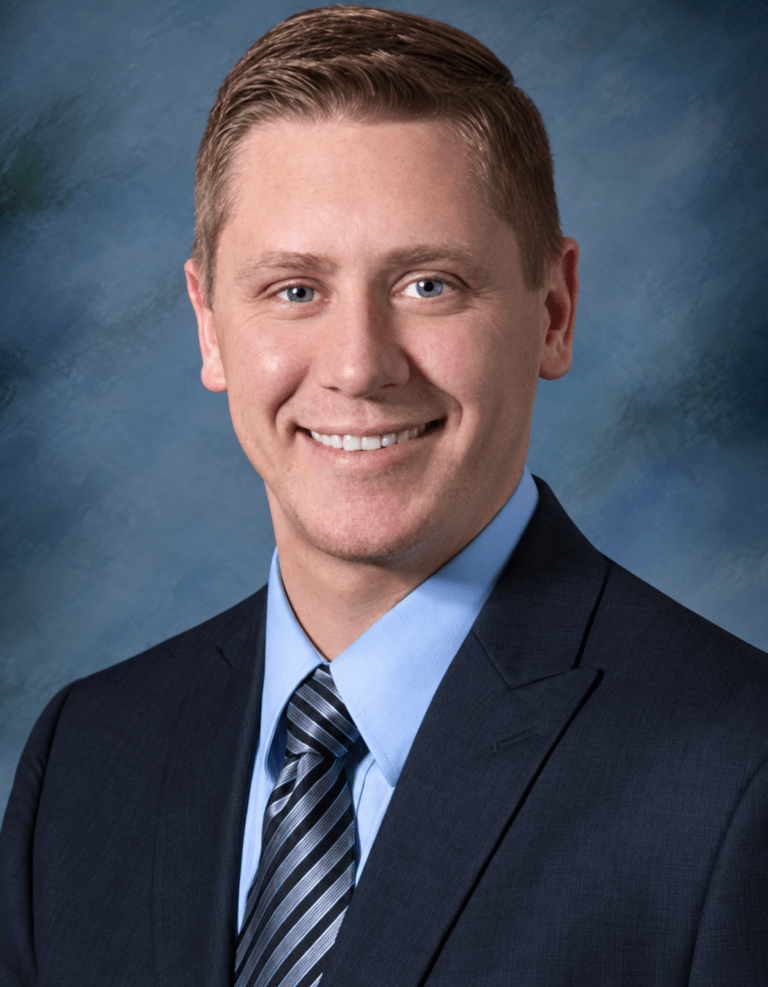
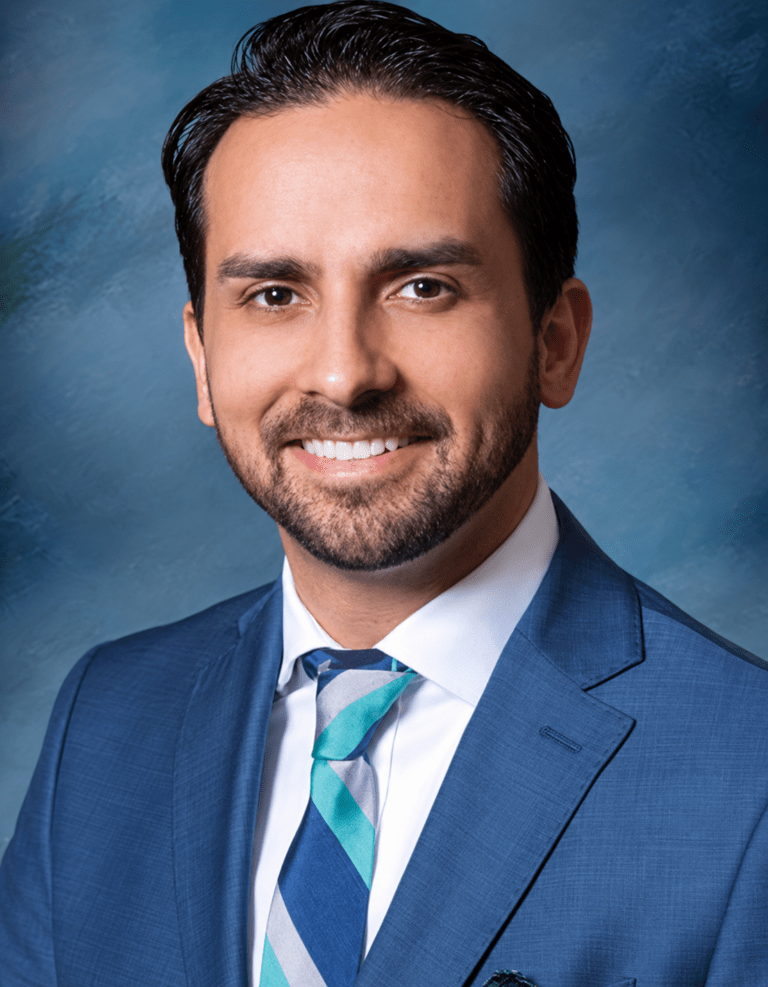
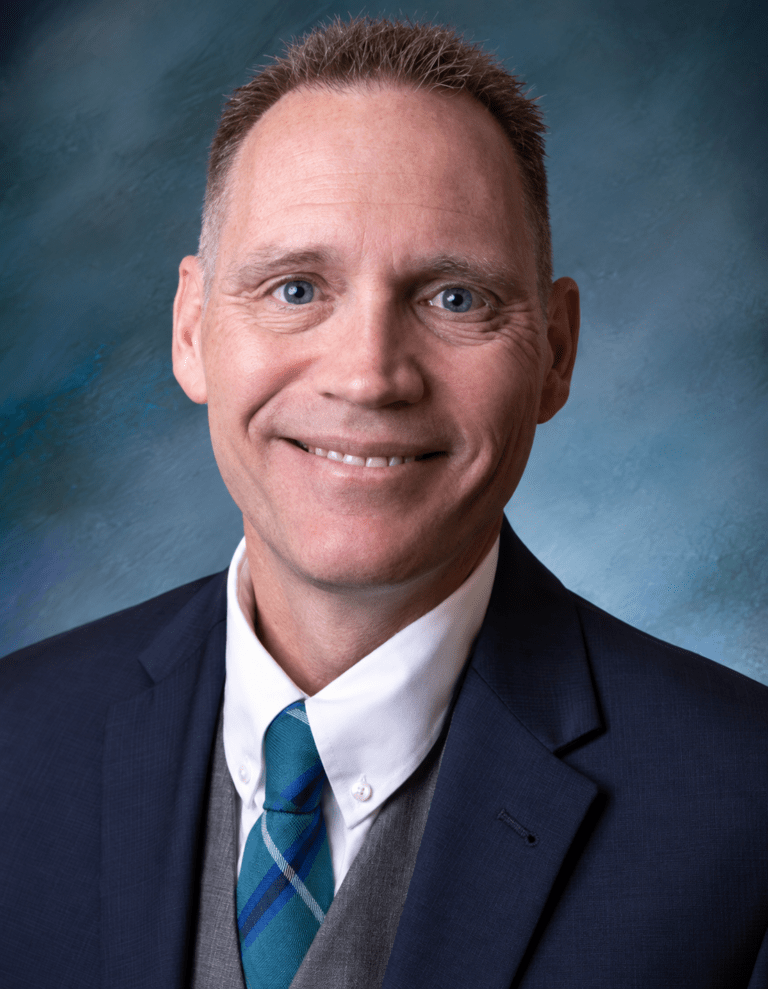
Our ophthalmologists and optometrists provide ongoing glaucoma diagnosis, treatment, and monitoring across our Nevada locations.







Find Us
Glaucoma in Las Vegas & Henderson
Find glaucoma care at one of our six Nevada offices, including Boulder City and Pahrump.
Common Questions
Frequently Asked Questions
Answers to common questions.
What causes glaucoma?
A blockage in the eye’s drainage channel causes fluid pressure to rise, which can damage the optic nerve. Genetics, diabetes, and prior eye injuries can be contributing factors.
Can glaucoma be cured?
Glaucoma cannot be cured, but treatment can slow or stop its progression and protect the vision you have.
How often will I need follow-up exams?
Your physician will set a monitoring schedule based on your pressure readings and how your glaucoma is progressing, since additional treatment may be needed over time.
Ready When You Are
Schedule Your Free Consultation
Most patients see results within 24 hours. Consultations are available at all six locations, online scheduling takes less than two minutes.