
Nevada Eye Physicians — Pediatrics
Pediatric Eye Exams in Las Vegas & Henderson
Early detection is key for pediatric eye conditions. We provide routine exams, diagnostic testing, and treatment for infants and children.
- Age-appropriate diagnostic testing
- Treatment for strabismus, amblyopia, and more
- Screening that follows AAO and AAPOS recommendations
Is This Right for You?
Am I a Candidate for Pediatrics?
Signs your child may need a pediatric eye evaluation.
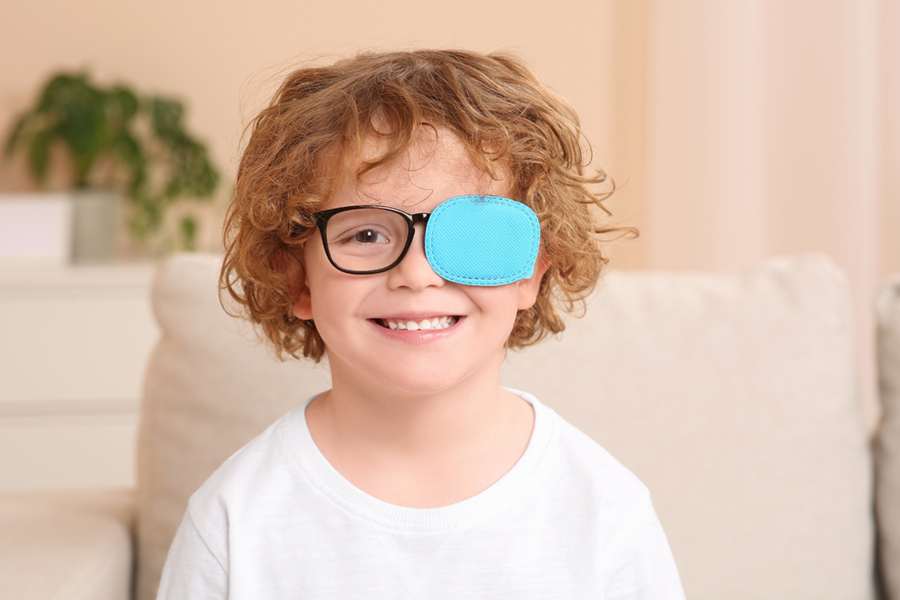
Age-appropriate testing to catch problems early.
Pediatric Eye Conditions We Treat
Our eye care professionals diagnose and treat several conditions in infants and children, including:
- Strabismus (wandering eye)
- Ptosis (drooping of the upper eyelid)
- Amblyopia (lazy eye)
- Congenital glaucoma
- Congenital cataracts
- Infections, such as conjunctivitis
What Happens During a Pediatric Eye Exam
A pediatric eye exam can include inspection of the eyes and eyelids, a corneal light reflex test using a small flashlight, a cover test to check for misalignment, and an age-appropriate acuity test using an eye chart. All children should have a complete eye exam by the start of kindergarten, with earlier evaluation if a pediatrician detects a potential problem.
Inspection of the eye: The doctor inspects the eyes and eyelids, tests muscle movements, and checks the pupils and how light reflects from the back of the eye.
Corneal light reflex test: The doctor uses a small flashlight to check how light reflects off the cornea. Ideally, the light is in sharp focus and centered on both pupils.
Cover test: While your child looks at a bright light, the doctor covers one eye at a time and looks for a shift in the eyes, which can show misalignment.
Acuity test: Your child reads an eye chart suited to their age, and each eye is tested separately.
By Kindergarten
Recommended age for a complete pediatric eye exam
4 Core Tests
Inspection, corneal light reflex, cover test, and acuity test
Patching Therapy
Common non-surgical treatment for amblyopia (lazy eye)
Surgical Options
Available for congenital cataracts, glaucoma, or significant strabismus
Patient Reviews
Most pediatric conditions start with the least invasive option.
Nonsurgical vs. Surgical Treatment
Whether nonsurgical treatment is enough depends on the specific condition and how a child responds.
Nonsurgical Treatment
Patching, drops, or glasses
- Eye patching for amblyopia (lazy eye)
- Antibiotic drops for infections
- Corrective glasses for focusing errors
- Regular monitoring to track progress
Tried first for most conditions
Surgical Treatment
For select conditions
- Congenital cataract or glaucoma surgery
- Strabismus surgery for significant misalignment
- Ptosis (drooping eyelid) surgical correction
- Used when nonsurgical care isn't enough, and for conditions like congenital cataracts and glaucoma
Used when nonsurgical care isn't enough
Your pediatric ophthalmologist will recommend a treatment plan tailored to your child.
Age-appropriate testing at every stage.
Your Child's Eye Care Journey
1
Inspection & History
- Inspect the eyes, eyelids, and pupils
- Review any symptoms or concerns you've noticed at home
2
Testing
- Corneal light reflex and cover test for alignment
- Age-appropriate visual acuity test
3
Diagnosis & Treatment Plan
- Discuss findings and recommended next steps
- Start with nonsurgical treatment such as patching, drops, or glasses when appropriate
4
Follow-Up
- Track how your child's eyes are developing
- Consider surgical treatment only if nonsurgical care isn't enough
What to Expect
Expected Outcomes & Recovery
What to expect after your child’s eye care
What Patients Can Expect in the First 30 Days
- Most pediatric eye conditions are treated nonsurgically before surgery is considered
- Patching therapy for amblyopia requires consistent daily use to be effective
- Eye drops can treat most eye infections in children
- Congenital cataracts and glaucoma may require surgical treatment
- Regular follow-up exams track your child's visual development
Informed Care
SAFETY & RISK CONSIDERATIONS
Understanding the safety of pediatric eye care
Safety Profile
- Testing methods are age-appropriate and non-invasive
- Treatment follows a conservative-first approach
- Surgery is used when nonsurgical care isn't enough, or for conditions like congenital cataracts and glaucoma
Possible Side Effects
- Patching therapy may cause temporary frustration or resistance in young children
- Eye drops for infections may cause brief stinging
- Surgical treatments for conditions like strabismus carry standard surgical risks, discussed during consultation
How We Minimize Risk
Age-Appropriate Testing
Exams are tailored to your child's age and ability to participate.
Early Screening
Following AAO and AAPOS guidance to catch conditions before they affect development.
Conservative Treatment First
Nonsurgical options like patching or glasses are tried before surgery whenever possible.
Why Nevada Eye Physicians
Why Choose Nevada Eye Physicians for Pediatric Eye Care
Careful, age-appropriate care.
Guideline-Based Screening
Following American Academy of Ophthalmology (AAO) and American Association for Pediatric Ophthalmology and Strabismus (AAPOS) recommendations for timely detection.
Conservative-First Treatment
Nonsurgical options tried before surgery whenever appropriate.
6 Nevada Locations
Convenient, family-friendly access across the Las Vegas area.
Our Team
Meet Our Team
Our pediatric eye care team evaluates and treats vision problems in infants and children across our Nevada locations.

Find Us
Pediatrics in Las Vegas & Henderson
Find Pediatrics care at a Nevada Eye Physicians location near you.
Common Questions
Frequently Asked Questions
Answers to common questions.
When should my child have their first complete eye exam?
All children should have a complete eye exam by the start of kindergarten, sooner if a pediatrician detects a possible problem.
What is amblyopia and how is it treated?
Amblyopia, or lazy eye, is often treated by patching the stronger eye to help strengthen the weaker one, sometimes combined with corrective glasses.
Is surgery always needed for strabismus?
Not always. Corrective lenses can improve some cases of strabismus, though others may require surgery.
When should my child have their first complete eye exam?
Your pediatrician checks your child’s eyes during the first year of life. All children should then have a complete eye exam by the start of kindergarten, sooner if a problem is found.
What is amblyopia and how is it treated?
Amblyopia, or lazy eye, is often treated by placing a patch over the stronger eye to help strengthen the weaker one. Sometimes eye drops are used to blur the vision of the stronger eye instead, and glasses may be prescribed to correct focusing errors.
Is surgery always needed for strabismus?
Not always. Strabismus means the eyes aren’t perfectly aligned, so a child may look cross-eyed (esotropia) or wall-eyed (exotropia). Corrective lenses can improve some cases, while other types may require surgery.
Ready When You Are
Schedule Your Free Consultation
Most patients see results within 24 hours. Consultations are available at all six locations, online scheduling takes less than two minutes.