
Nevada Eye Physicians — Pterygium
Pterygium Treatment in Las Vegas & Henderson
Pterygium is a growth of tissue on the eye's surface, most often caused by UV exposure. Our eye doctors are experienced in treating it at every stage.
- Free self-test available online
- Eye drop and ointment treatment options
- Surgical removal for advanced cases
Know the Signs
What Are the Signs of Pterygium?
Most pterygia don't cause symptoms, but watch for these signs.
Pterygium can also cause blurry vision, especially if it grows over the cornea and pupil.
The Procedure
What Is Pterygium?
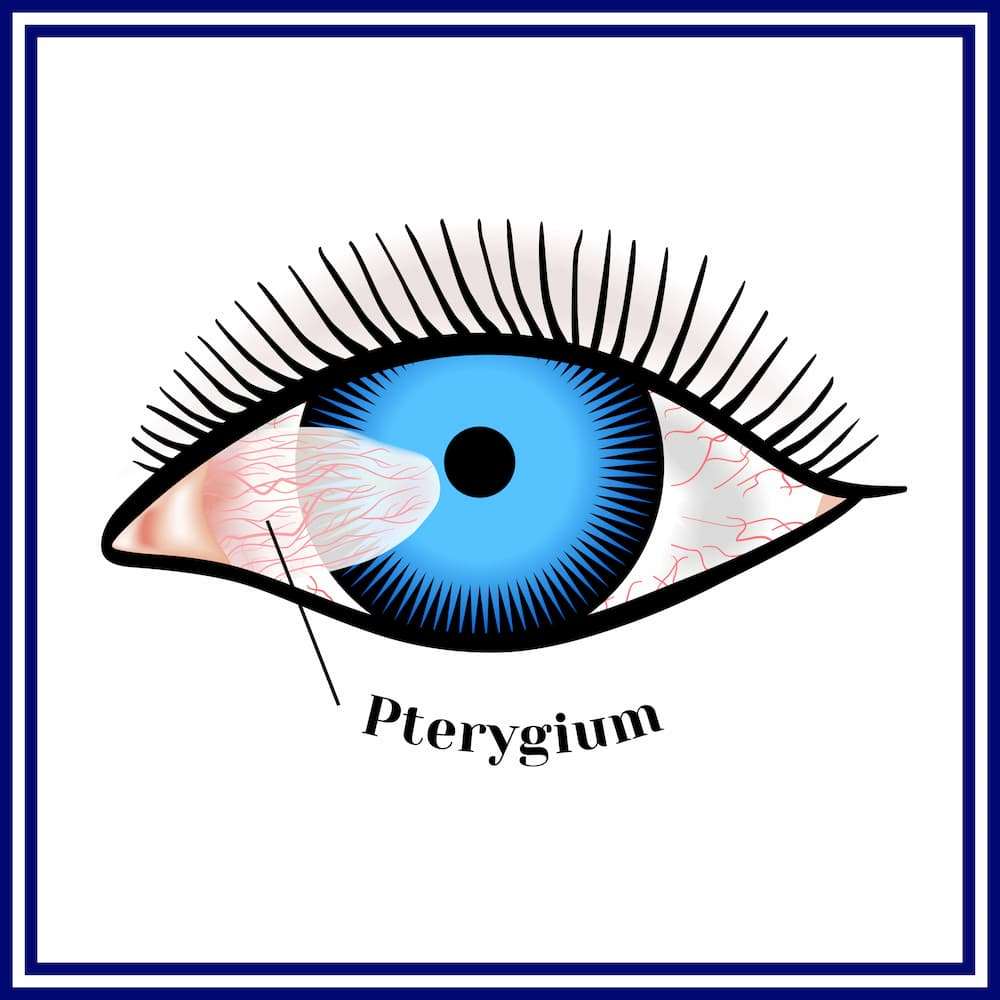
Pterygium is a growth of fleshy tissue, containing blood vessels, on the conjunctiva, the clear covering of the white of your eye. It usually starts in the corner of the eye near your nose and grows inward toward the cornea. Most pterygia stay small and don’t cause pain or vision problems, but they can grow larger and affect your vision. A growth that stays off the cornea is called a pinguecula. If it grows onto the cornea, it’s a pterygium.
What Causes Pterygium?
The exact cause is unknown, but pterygia are more common closer to the equator and in people who spend a lot of time outdoors. UV exposure is a major risk factor, especially without eye protection. Surfers, anglers, and people who work outdoors get them often, as do people who live in dry, windy, or dusty climates. The easiest way to prevent one is to wear sunglasses and protect your eyes from UV rays, dust, and sand.
How Pterygium Is Treated
Most pterygia don’t require treatment. When irritation, tearing, or a foreign-body sensation occurs, vasoconstrictor drops, lubricating eye drops, or steroid drops are typically tried first. If a pterygium interferes with vision, causes ongoing discomfort, or for aesthetic reasons, surgical removal may be recommended. The most effective removal method uses an autograft or amniograft, in which the surgeon removes the tissue and covers the area with healthy conjunctival tissue, which carries the lowest risk of the pterygium returning.
Patient Reviews
Matching treatment to how much the pterygium is affecting you.
Eye Drops vs. Surgical Removal
Most patients start with drops; surgery is reserved for cases affecting vision, comfort, or appearance.
Eye Drops & Ointments
Vasoconstrictor, lubricating, or steroid drops
- Addresses redness, dryness, and irritation
- No surgical downtime
- Appropriate for most asymptomatic or mild cases
- Ongoing use as needed
Most conservative option
Surgical Removal
Autograft or amniograft technique
- Recommended when vision or comfort is affected
- Uses healthy conjunctival tissue to cover the area
- Lowest recurrence rate among removal techniques
- Also considered for aesthetic reasons
For vision-affecting or symptomatic cases
Your eye doctor will help determine the right approach for your specific case.
From diagnosis to recovery.
Your Pterygium Treatment Journey
1
Evaluation
- Eye exam to confirm pterygium versus pinguecula
- Assessment of size, growth, and impact on vision
2
Conservative Treatment
- Vasoconstrictor or lubricating drops
- Steroid drops for redness and swelling if needed
3
Surgical Removal (if needed)
- Autograft or amniograft removal technique
- Healthy conjunctival tissue used to cover the area
4
Recovery & Prevention
- Follow-up visits to monitor healing
- UV protection to help prevent recurrence
What to Expect
Expected Pterygium Outcomes & Recovery
What to expect after pterygium care.
What Patients Can Expect in the First 30 Days
- Most pterygia don't require treatment at all
- Eye drops are the most conservative treatment option
- Surgery is used when drops aren't enough or the growth affects your vision or comfort.
- The autograft/amniograft technique has the lowest recurrence risk
- Wearing sunglasses after treatment helps prevent recurrence
Informed Care
SAFETY & RISK CONSIDERATIONS
Understanding the safety profile of pterygium care.
Safety Profile
- Conservative drop-based treatment is tried before surgery whenever appropriate
- Surgical removal uses an established low-recurrence technique
- Treatment plans account for the pterygium's size, growth, and effect on vision
Possible Side Effects
- Ongoing dryness, itching, or a gritty sensation while the pterygium is active
- Redness and swelling, particularly during active growth phases
- Surgical removal carries standard risks discussed during your consultation, including a chance of recurrence
How We Minimize Risk
UV Protection Counseling
The best way to prevent a pterygium is to wear sunglasses and protect your eyes from dust, sand, smoke, and fumes. If your eyes feel dry, artificial tears help keep them moist.
Conservative Treatment First
Drops and ointments are tried before surgery is ever recommended.
Low-Recurrence Surgical Technique
The autograft/amniograft method is used specifically because it lowers the chance of the pterygium coming back.
Why Nevada Eye Physicians
Why Choose Nevada Eye Physicians for Pterygium Treatment
Conservative care first, expert surgery when needed.
Free Online Self-Test
A quick way to check your symptoms before scheduling.
Low-Recurrence Surgical Technique
Autograft/amniograft removal for the lowest chance of it returning.
6 Nevada Locations
Convenient access across the Las Vegas area.
Find Us
Pterygium in Las Vegas & Henderson
Find pterygium care at one of our six Nevada offices, including Boulder City and Pahrump.
Common Questions
Frequently Asked Questions
Answers to common questions.
What causes pterygium?
The exact cause is unknown, but it’s strongly associated with UV exposure, dry climates, wind, and dust, especially in people who spend a lot of time outdoors.
Does pterygium always need surgery?
No. Most pterygia don’t cause symptoms and don’t require treatment; surgery is reserved for cases affecting vision, comfort, or appearance.
Can pterygium come back after surgery?
It can, but the autograft/amniograft removal technique used at Nevada Eye Physicians carries the lowest risk of recurrence among removal methods.
Can You Prevent Pterygium?
The best thing you can do is wear sunglasses and protect your eyes from irritants. Long-term exposure to these may contribute to pterygium and pinguecula:
- Chemical fumes from household or industrial cleaners
- Dirt, dust, and sand
- Smoke and other fumes
- Extreme heat
If your eyes feel dry, artificial tears help keep them moist.
Ready When You Are
Schedule Your Free Consultation
Most patients see results within 24 hours. Consultations are available at all six locations, online scheduling takes less than two minutes.